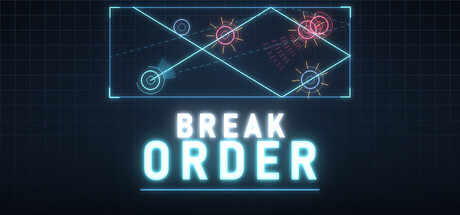
Turn-based tactics on pure elastic billiard physics. One impulse per turn, then everything collides: your pieces, theirs, the furniture. You don't aim at an enemy, you aim at a chain. The sim is fully deterministic, so every turn is a geometry problem — knowable, not lucky.
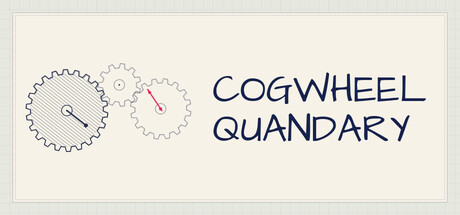
A puzzle in pencil. Someone sketched a machine and left the meshing blank: the posts, the crank and the needle are there — which gears go where is yours to draw. Teeth decide who touches whom; the needle tells you whether you built the machine the sketch asked for.
A vector dungeon on a monochrome tube, lit by three subtractive colour gels. Drop a gel and half the room stops existing: a wall you cannot see is not solid, an enemy you cannot see is frozen and cannot be shot. The colour channel is the collision layer, so sight and physics never drift.
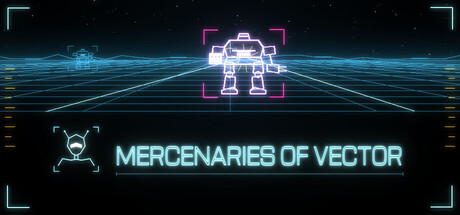
First-person mech combat in lit metal and neon lines. A hundred contracts across open ground, ship interiors and flying sorties, ten Mega Mecha to put down, and a salvage economy that pays you in the parts you shoot off everything else. Strip the wrecks. Refit. Deploy again.
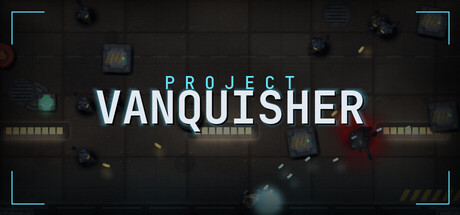
Fight your way out of a 120-room corporate prison with a gun that rewrites itself. Ten sectors, ten bosses, eight weapon forms, and a chain multiplier that breaks the moment you get hit. Every pixel and every sound is generated at runtime. Up to four players, split screen.